Today, a wristwatch is much more than a time teller. Watches are made for various purposes, so it is important to consider the watch's features and quality when acquiring a watch suitable for a particular use. A watch can be part of a festive outfit, a finishing touch for an everyday style, or even a stopwatch for sports hobbies. Whatever the purpose of the watch, Kulta-Aika's selection includes quality watches from top brands at affordable prices! We are an official reseller for all watch brands we sell. The watches we sell are delivered in the manufacturer's original packaging and come with a manufacturer's warranty, usually at least 2 years.
Watch Case and Straps
The watch case is the part of the watch inside which the other components of the watch are placed, and the watch glass is on the front. Watch cases and straps are made from various materials, but the most common are:
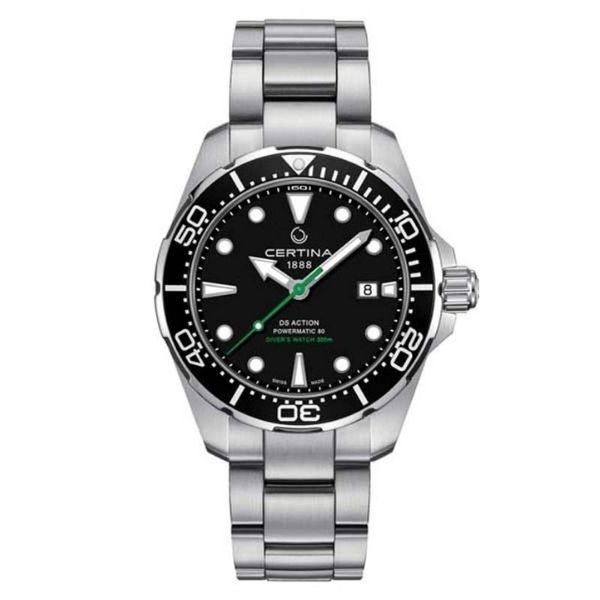
Stainless steel is durable and quite long-lasting, which is why it is the most common material used for watch cases in everyday watches. Over time, hairline scratches will appear on the surface, but a watchmaker can remove the scratches completely by polishing. Steel is highly water-resistant, but the material alone does not guarantee the watch's water resistance.
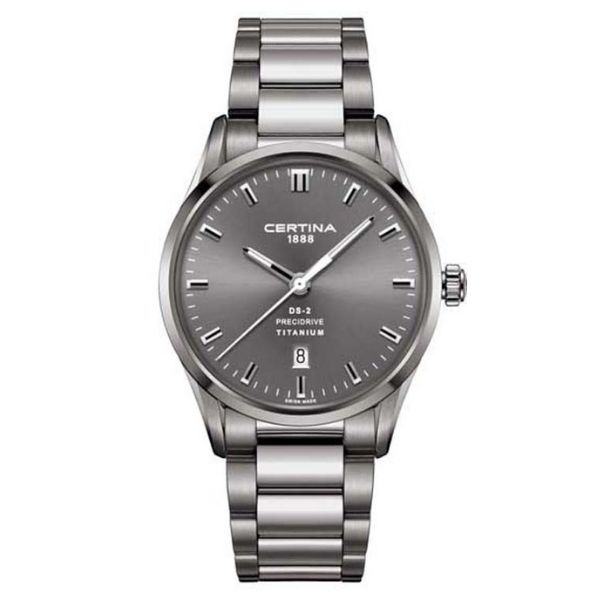
Titanium is an extremely durable and generally hypoallergenic material, and it is significantly lighter than steel. Against the skin, titanium feels warmer and less metallic than steel. Titanium scratches a little more easily than steel, but once oxidized, hairline scratches blend in excellently with the surrounding surface. Titanium is an excellent choice for an everyday watch because it does not rust or magnetize. However, it is good to remember that if the watch's movement is not specially protected, a titanium case is not sufficient protection against damage from magnetization. Titanium is more expensive than steel because it is a more challenging material to work with.
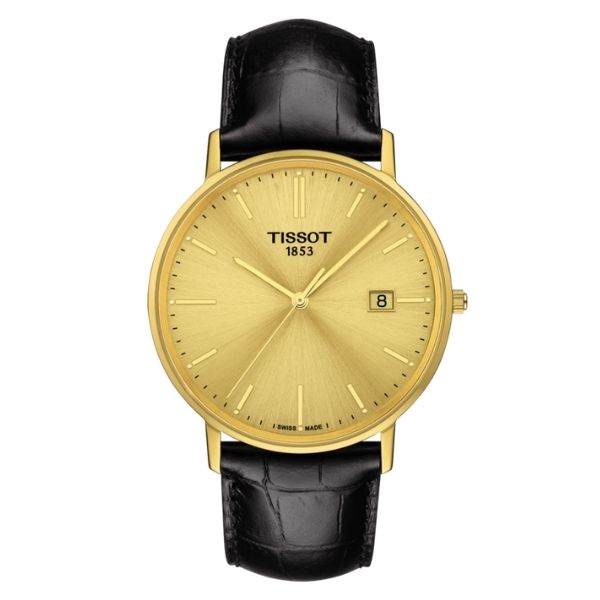
Precious metal / coating (gold, silver, platinum, brass) is not the best option for an everyday watch, but an excellent choice for a dress watch, for example. Precious metal is an expensive material, usually also soft, and therefore a poor choice for everyday use. The prices of solid precious metal watches range in the thousands of euros, but a thin coating over steel does not add much to the watch's price or value. A coating is the most common option when a gold-colored watch is desired. A precious metal coating scratches easily, even through to the underlying material, so the watch should be worn carefully.
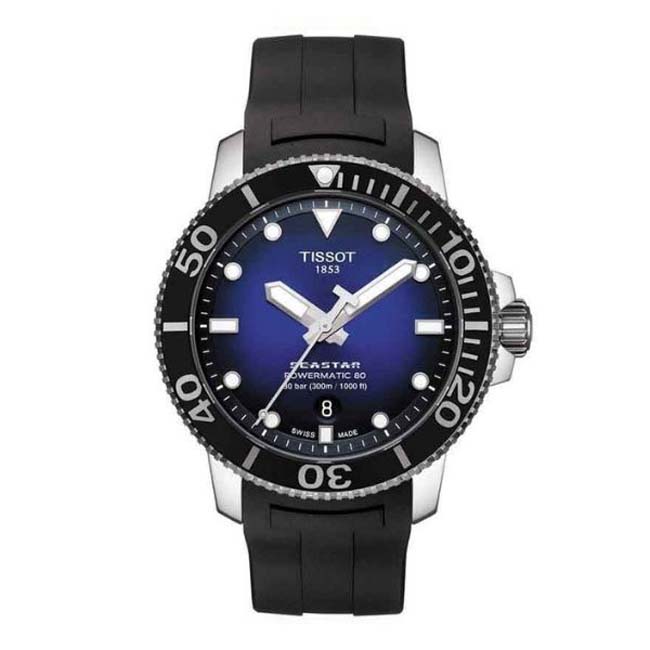
Plastic as a material is the most durable and long-lasting, but there are significant differences in the quality of plastics. The best plastics withstand all conditions, while the cheapest plastics poorly withstand wear, solvents, or heat. Plastic is most often used in sports watches, trend watches, and children's watches.
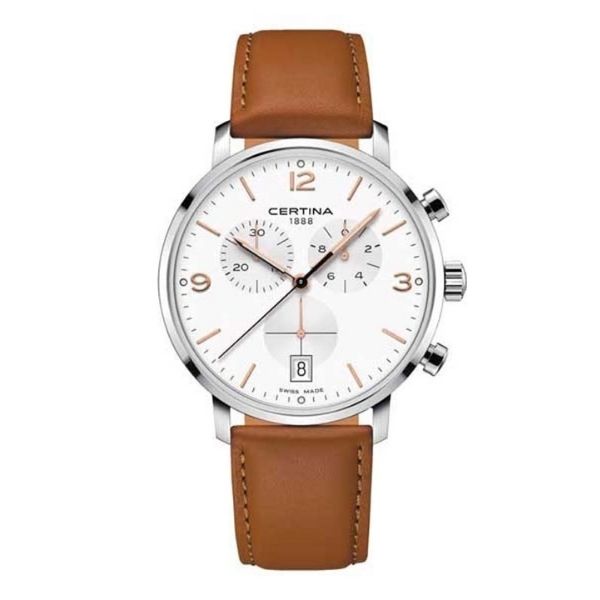
Leather is the most comfortable material to wear, but unfortunately the shortest-lived. Good quality leather lasts longer and can even withstand exposure to water, but soaps, perfumes, and sweat spoil the leather. Leather is a very stylish material, but it wears out quickly in an everyday watch.
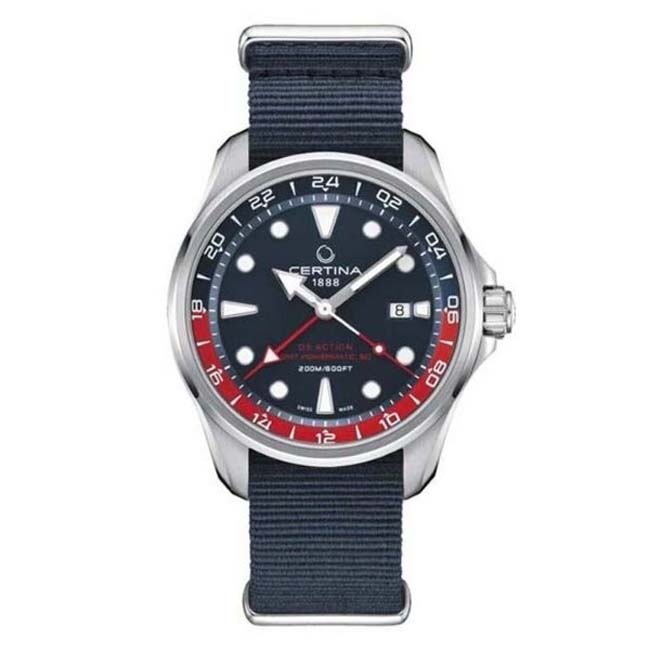
A textile strap, also known as a Nato strap, is durable and comfortable to wear. A textile strap is well suited for an everyday watch because it resists wear.
Watch Movement
Watch movements can be divided into two main categories: battery-powered quartz movements and mechanical movements. Typically, mechanical watches can be further divided into two subcategories: manually wound movements and automatic movements. The superiority of movements depends on the user's personal preferences.
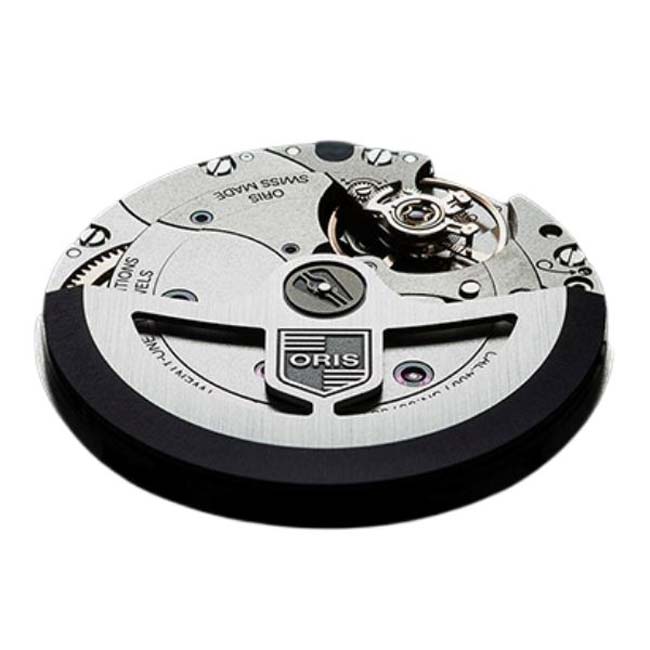
There are two types of mechanical watches, but both are powered by a spring. Hand-wound watches are manually wound by pulling/rotating the crown, while automatic watches are wound by kinetic energy. The power reserve of mechanical watches is approximately 48 hours from a full wind; a hand-wound watch always requires manual winding from the user, but an automatic watch charges itself when worn. Mechanical watches are the most ecological option as they do not contain electronics and therefore do not require a battery to run. Mechanical watches are not as accurate as quartz watches; the accuracy of mechanical watches is at most +/-20 seconds per day. The watch should not be exposed to magnets, as so-called watch magnetization can cause malfunctions. A mechanical watch should be routinely serviced every 7-10 years.
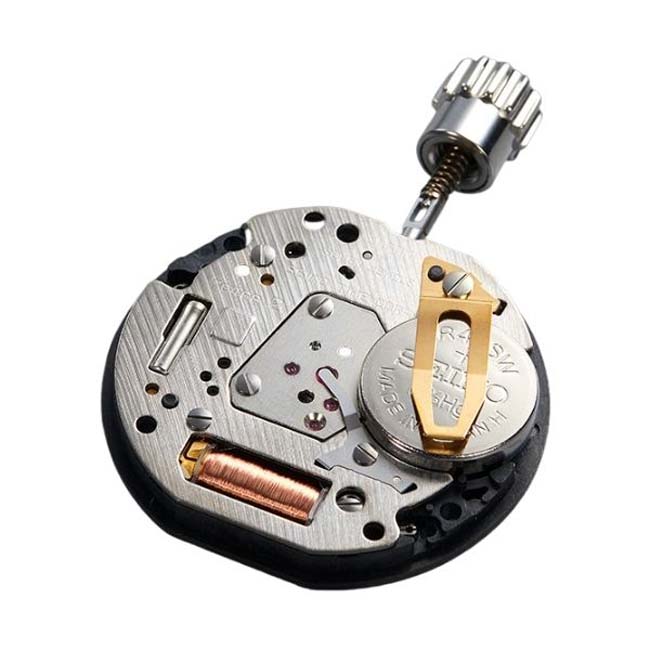
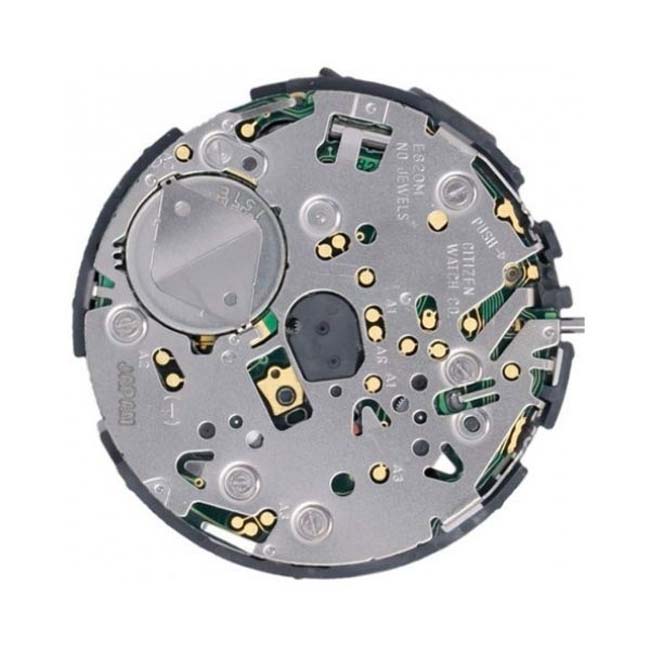
Quartz watches are battery-powered watches. Seiko manufactured the first watch with a quartz movement in 1969 and revolutionized the global watch industry. Battery-powered quartz watches are the most accurate timekeepers, with their accuracy most commonly being +15 seconds per month. The battery replacement interval is approximately 1-3 years, depending on the number of watch functions and the age of the watch. Quartz watches are often more affordable than mechanical watches. A quartz watch withstands use well, making it a good choice for everyday wear.
Solar and kinetic watches are watches that draw power into a battery. They can be divided into two categories: watches that utilize kinetic energy (kinetic) and watches that utilize light energy (solar). The battery replacement interval for these watches can be up to 8-10 years. A kinetic movement charges its power reserve from the movement of the hand, converting kinetic energy into electricity and storing it in a lithium battery. Solar movements get their energy from light, converting light into electricity with a solar cell and storing it in a lithium battery. The watches charge from all light, and when fully charged, their running time in complete darkness is several months.
Watch Glass
The watch face and hands are protected by glass. Generally, watches use three different types of glass/crystal materials with varying properties.
Sapphire crystal is the most expensive and by far the most durable of the materials. Sapphire crystal is many times harder than mineral crystal and is almost scratch-proof; in theory, only a diamond can scratch sapphire crystal. If you are buying a durable valuable watch, sapphire crystal is an essential feature.
Mineral crystal is the most common of the materials. Cast from molten glass mass, mineral crystal does not scratch very easily, but with use, scratches are unavoidable. The glass breaks easily from a hard impact. Hardlex is a glass-chemical material softer than glass but harder than acrylic. It withstands impacts better than glass and does not scratch as easily as acrylic. Hardlex is well suited as glass for an everyday watch.
Acrylic glass, or plexiglass, is the most affordable of the materials. Acrylic glass scratches easily, but due to its softness and flexibility, it withstands impacts better than mineral glass. Acrylic glass can be polished to remove the worst scratches a few times.
All watch glasses can be replaced by a watchmaker.
Water Resistance
A watch's water resistance is determined by the condition and structure of its case and seals. Water resistance is not a permanent feature, as over time, a watch's seals can dry out, harden, and consequently become brittle. If water resistance is an essential requirement for the watch's use, it is good to test the watch's water resistance once a year, and the rubber gasket on the watch's back should be replaced when changing the battery. A screw-down case back and screw-locked crowns increase the watch's water resistance.
Watches rated 100 M, 10 bar, and 10 atm are equivalent in terms of water resistance and are practically the same thing, but contrary to common belief, 100 M does not mean water resistance to a depth of one hundred meters, but rather the pressure resistance of the watch case.
Not water protected = watch must not get wet, also protect from splashes
30 M / 3 bar / 3 atm = water-protected, splash-proof, not for swimming or immersion in water
50 M / 5 bar / 5 atm = limited water resistance; watch can be used in humid conditions, but not recommended for swimming
100 M / 10 bar / 10 atm = water resistant; suitable for surface swimming and snorkeling, not for scuba diving
200 M / 20 bar / 20 atm = special water resistant: suitable for scuba diving; should not be used in depths where mixed gases are used
300 M / 30 bar / 30 atm = special water resistant: suitable for deep diving and professional diving use
500 M +
Watches also require regular maintenance! By maintaining your watch regularly, it will stay in good condition and tell time for as long as possible. The watch's own instruction manual will state the applicable service interval for that particular watch. If your watch needs servicing, you can bring it to any Kulta-Aika store. We offer service for all watch brands we represent.


